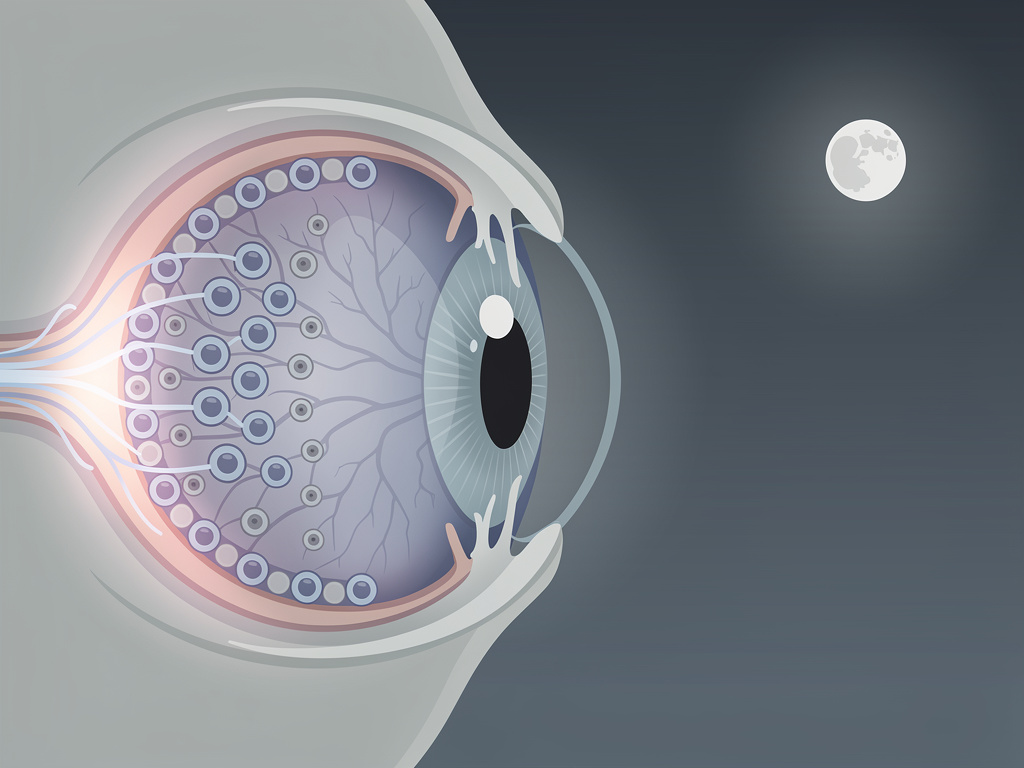
Night blindness, or nyctalopia, makes it difficult to see in low light or at night. This condition doesn’t mean you’re completely blind in the dark, but it can significantly affect your ability to drive, walk, or perform tasks in dim lighting. Understanding night blindness causes and treatment can help you address the issue and improve your vision.
Causes of Night Blindness
Several factors can lead to night blindness. Vitamin A deficiency is a common cause, as this vitamin is essential for producing rhodopsin, a pigment in your eyes that helps you see in low light. Other night blindness causes include cataracts, which cloud your lens and reduce light entering your eye, and retinitis pigmentosa, a genetic disorder that affects the retina’s ability to respond to light.
Diabetes, glaucoma, and myopia (nearsightedness) can also contribute to poor night vision. In some cases, night blindness may result from a lack of light-sensitive cells in the retina or damage to these cells due to eye diseases.
Treatment Options
The right night blindness treatment depends on the underlying cause. If a vitamin A deficiency is to blame, your doctor may recommend supplements or dietary changes to include more vitamin A-rich foods like carrots, sweet potatoes, and leafy greens. For cataracts, surgery to replace the cloudy lens with an artificial one can restore clear vision, including at night.
If retinitis pigmentosa or another retinal condition causes your night blindness, your doctor might suggest treatments to slow progression, such as vitamin supplements or gene therapy in some cases. Managing chronic conditions like diabetes or glaucoma can also improve night vision.
Prevention Tips
To prevent night blindness, focus on a nutrient-rich diet that supports eye health. Include foods high in vitamin A, omega-3 fatty acids, and antioxidants. Regular eye exams can detect early signs of conditions that may lead to night blindness, allowing for timely intervention.
If you’re experiencing poor night vision, protect your eyes by avoiding driving at night until you’ve consulted an eye specialist. Use adequate lighting at home and wear anti-glare glasses if you’re sensitive to bright lights.
If you are unsure whether your symptoms require emergency attention, it is safer to call your healthcare provider or eye clinic for advice.
With Pakistan’s internationally trained and most experienced cataract surgeons, corneal transplant surgeons and eye surgeons specializing in every single sub specialty in ophthalmology, The Eye Center – Dr. Mahnaz Naveed Shah & Associates in Karachi provides guidance for both routine and urgent eye care needs. Their team can advise whether you should schedule a screening or seek immediate attention, ensuring safety and comfort. For expert consultation, contact The Eye Center – Dr. Mahnaz Naveed Shah & Associates at 03041119544 to book an appointment.
With a proven track record of excellence in glaucoma and cataract care, Dr. Mahnaz Shah and her team are here to help you protect your vision—with confidence.