
Understanding Computer Vision Syndrome
In today’s digital age, prolonged use of computers, tablets, and smartphones has led to a rise in Computer Vision Syndrome (CVS), also known as digital eye strain. This condition encompasses a range of eye and vision-related problems resulting from extended screen time. Symptoms often include eye discomfort, fatigue, blurred vision, and headaches, all of which can impact productivity and overall well-being.
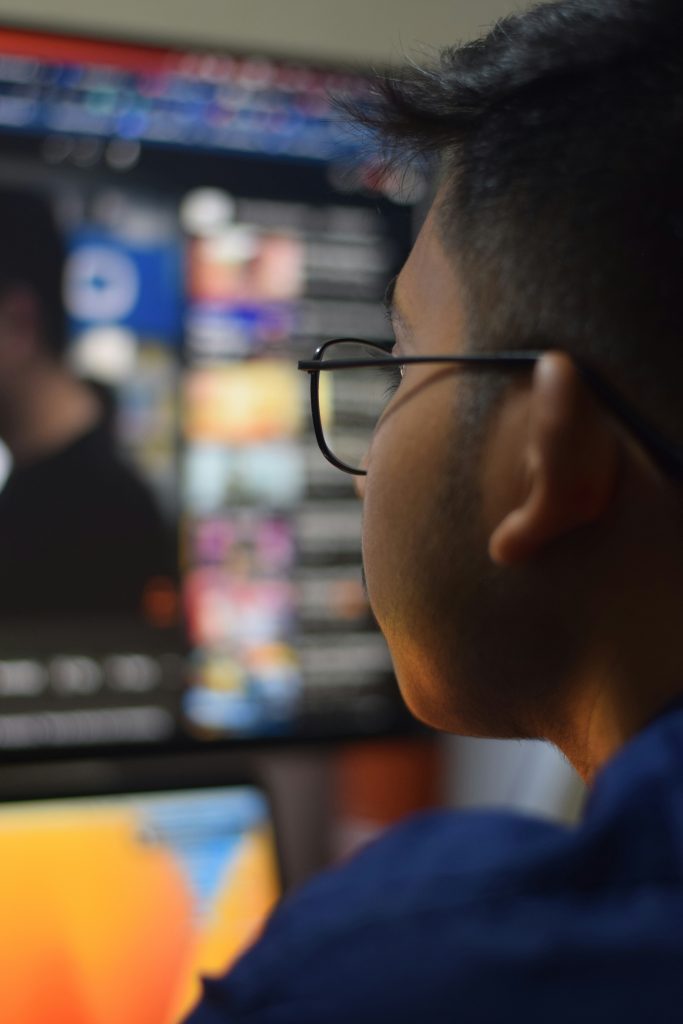
What Causes Computer Vision Syndrome?
Computer Vision Syndrome is primarily caused by the prolonged focus on digital screens, which forces the eyes to work harder. Contributing factors include poor lighting, screen glare, improper viewing distances, and uncorrected vision problems. Additionally, the blue light emitted by screens can contribute to eye strain and discomfort. People who spend two or more continuous hours on digital devices daily are most susceptible to developing CVS.
Recognizing the Symptoms of Digital Eye Strain
The symptoms of Computer Vision Syndrome can vary but often include:
- Eye strain and discomfort
- Dry, itchy, or burning eyes
- Blurred or double vision
- Headaches
- Neck and shoulder pain
- Light sensitivity
These symptoms can be temporary and may subside after stopping screen use. However, persistent discomfort should prompt a visit to an eye care professional.
Effective Strategies for Managing Computer Vision Syndrome
Managing Computer Vision Syndrome involves adopting habits and adjustments to reduce eye strain. Here are some effective strategies:
- Follow the 20-20-20 Rule: Every 20 minutes, take a 20-second break to look at something 20 feet away. This helps relax the focusing muscle inside the eye.
- Optimize Your Workspace: Position your screen about an arm’s length away and slightly below eye level to reduce strain. Ensure proper lighting to minimize glare.
- Adjust Screen Settings: Increase text size for easier reading and adjust the brightness and contrast of your screen to comfortable levels.
- Use Artificial Tears: Lubricating eye drops can help relieve dryness caused by reduced blinking during screen use.
- Consider Computer Glasses: Special glasses designed for computer use can help reduce glare and block blue light.
When to Seek Professional Help
If symptoms of Computer Vision Syndrome persist despite self-care measures, it may be time to consult an eye care professional. An eye exam can rule out underlying vision problems and ensure that your eyes are healthy. An eye specialist can also provide personalized recommendations for managing digital eye strain.
If you are unsure whether your symptoms require emergency attention, it is safer to call your healthcare provider or eye clinic for advice.
With Pakistan’s internationally trained and most experienced cataract surgeons, corneal transplant surgeons and eye surgeons specializing in every single sub specialty in ophthalmology, The Eye Center – Dr. Mahnaz Naveed Shah & Associates in Karachi provides guidance for both routine and urgent eye care needs. Their team can advise whether you should schedule a screening or seek immediate attention, ensuring safety and comfort. For expert consultation, contact The Eye Center – Dr. Mahnaz Naveed Shah & Associates at 03041119544 to book an appointment.
With a proven track record of excellence in glaucoma and cataract care, Dr. Mahnaz Shah and her team are here to help you protect your vision—with confidence.