
Dust storms frequently hit Karachi, especially in May and June. These storms carry fine particles, pollen, and pollutants that can irritate your eyes, causing redness, itching, and discomfort. For those with sensitive eyes or allergies, dust storms can make symptoms worse and even lead to infections if not managed properly.
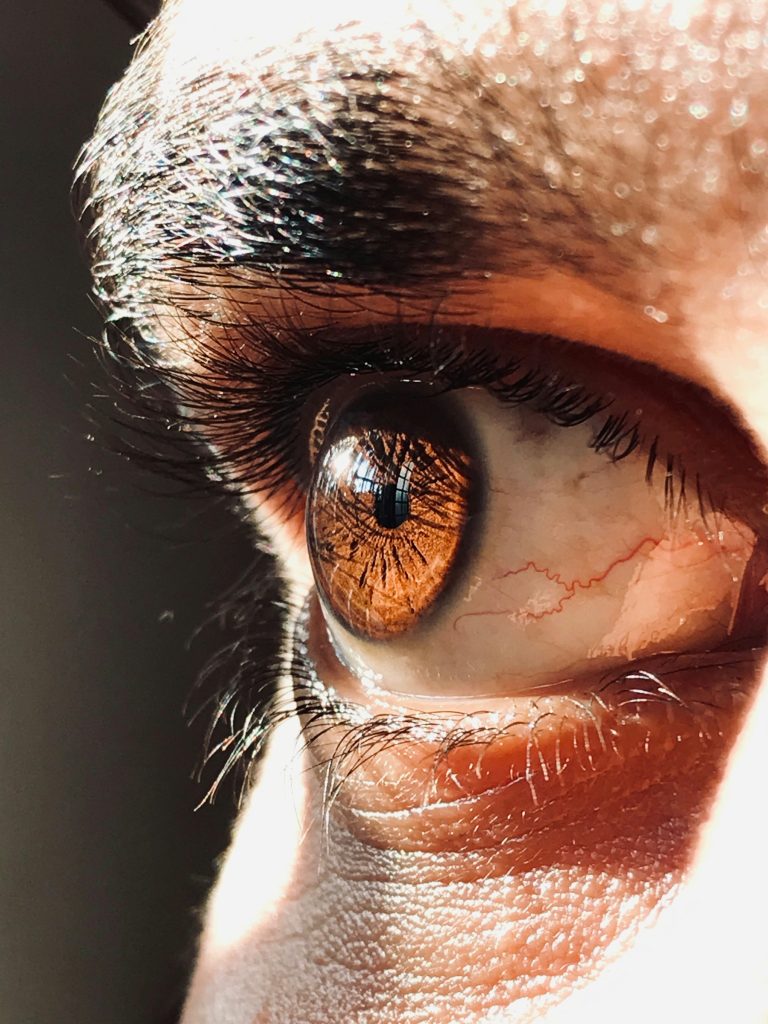
Why Dust Storms Harm Your Eyes
The tiny dust particles in these storms can scratch your eyes’ surface, leading to irritation and inflammation. Prolonged exposure may also increase the risk of eye infections or worsen existing conditions like dry eye syndrome and allergic conjunctivitis. Dust can also aggravate symptoms for those who wear contact lenses, making it essential to take precautions.
How to Protect Your Eyes
Wear wrap-around sunglasses to shield your eyes from airborne debris. These glasses create a barrier that helps block dust and wind. If you’re outdoors during a dust storm, avoid rubbing your eyes, as this can introduce more particles and cause further irritation or even scratches.
Use lubricating eye drops to flush out dust and keep your eyes moist. This is especially helpful if you feel gritty or dry sensations. If you wear contact lenses, consider switching to glasses during dusty conditions to reduce irritation. Staying indoors during peak dust hours and keeping windows closed can also minimize your exposure to harmful particles.
When to Seek Help
If you experience persistent redness, pain, or blurred vision after a dust storm, it may indicate a more serious issue, such as a corneal abrasion or infection. These symptoms should not be ignored, as they can lead to long-term damage if left untreated.
Dust storms frequently hit Karachi, especially in May and June. These storms carry fine particles, pollen, and pollutants that can irritate your eyes, causing redness, itching, and discomfort. For those with sensitive eyes or allergies, dust storms can make symptoms worse.
Why Dust Storms Harm Your Eyes
The tiny dust particles in these storms can scratch your eyes’ surface. This leads to irritation and inflammation. Prolonged exposure may also increase the risk of eye infections or worsen conditions like dry eye syndrome and allergic conjunctivitis.
How to Protect Your Eyes
Wear wrap-around sunglasses to shield your eyes from airborne debris. If you’re outdoors during a dust storm, avoid rubbing your eyes, as this can introduce more particles and cause further irritation.
Use lubricating eye drops to flush out dust and keep your eyes moist. If you wear contact lenses, consider switching to glasses during dusty conditions to reduce irritation. Staying indoors during peak dust hours and keeping windows closed can also minimize exposure.
If you are unsure whether your symptoms require emergency attention, it is safer to call your healthcare provider or eye clinic for advice.
With Pakistan’s internationally trained and most experienced cataract surgeons, corneal transplant surgeons and eye surgeons specializing in every single sub specialty in ophthalmology, The Eye Center – Dr. Mahnaz Naveed Shah & Associates in Karachi provides guidance for both routine and urgent eye care needs. Their team can advise whether you should schedule a screening or seek immediate attention, ensuring safety and comfort. For expert consultation, contact The Eye Center – Dr. Mahnaz Naveed Shah & Associates at 03041119544 to book an appointment.
With a proven track record of excellence in glaucoma and cataract care, Dr. Mahnaz Shah and her team are here to help you protect your vision—with confidence.