Dry eye syndrome is a growing concern in urban Pakistan, where pollution, screen time, and environmental factors contribute to chronic dryness, irritation, and discomfort. If your eyes often feel gritty, red, or tired, you may be experiencing dry eye syndrome. Understanding the causes and dry eye syndrome treatment in Pakistan can help you find relief and protect your vision.
Why Is Dry Eye Syndrome Common in Urban Pakistan?
Several factors in urban environments worsen dry eye symptoms:
- Air Pollution: High levels of dust, smoke, and allergens irritate the eyes and disrupt tear production.
- Prolonged Screen Time: Extended use of phones, computers, and tablets reduces blinking, leading to dryness.
- Air Conditioning and Indoor Heating: Artificial climates dry out the air and your eyes.
- Poor Humidity: Dry weather, especially in cities like Karachi and Lahore, evaporates tears quickly.
- Contact Lens Use: Improper lens care can exacerbate dryness.
- Aging and Hormonal Changes: Older adults and women experiencing hormonal shifts are more prone to dry eyes.
Common Symptoms of Dry Eye Syndrome
Watch for these signs:
- Stinging or burning sensation in the eyes.
- Redness and irritation.
- Blurred vision, especially after long screen sessions.
- Sensitivity to light.
- Feeling of grit or sand in the eyes.
- Watery eyes (a reflex response to dryness).
If you experience these symptoms, it’s time to explore dry eye syndrome treatments.
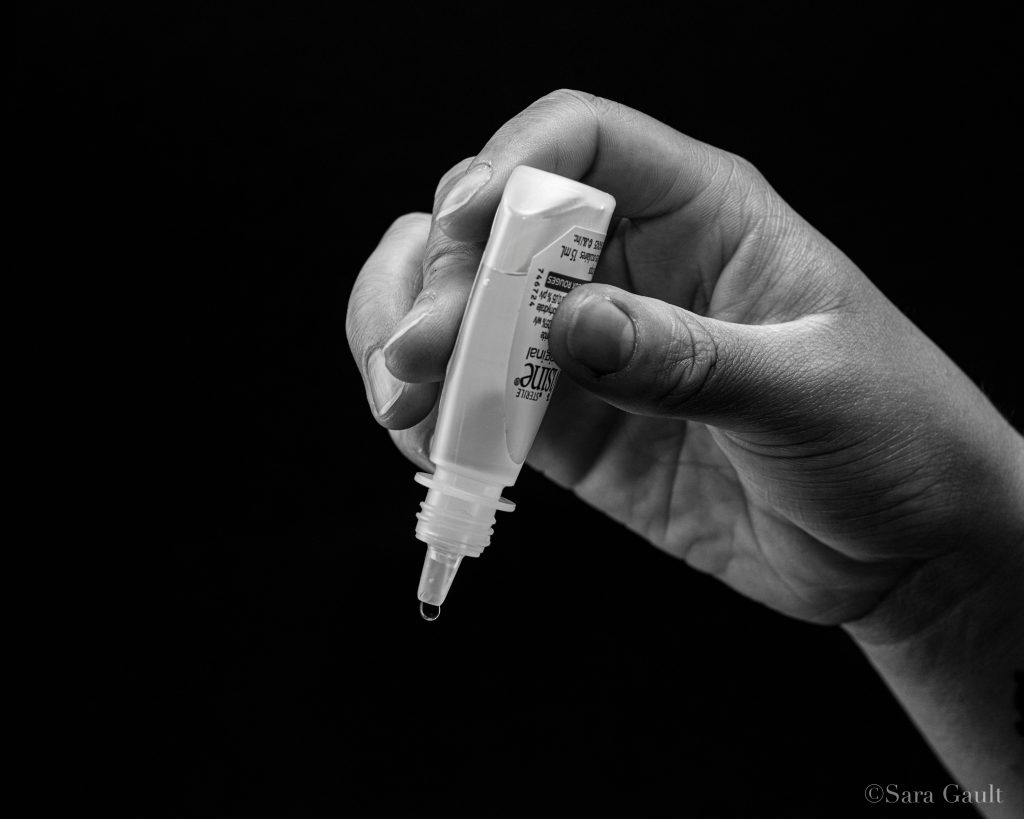
Artificial Tears and Lubricating Drops
- Why it works: Replenishes moisture and soothes irritation.
- How to use: Choose preservative-free drops for frequent use.
Lifestyle Adjustments
- Take screen breaks: Follow the 20-20-20 rule (every 20 minutes, look 20 feet away for 20 seconds).
- Stay hydrated: Drink plenty of water to support tear production.
- Use a humidifier: Adds moisture to dry indoor air.
Protect Your Eyes Outdoors
- Wear wrap-around sunglasses to shield your eyes from wind, dust, and UV rays.
Warm Compresses and Eyelid Hygiene
- Why it works: Helps unclog oil glands in the eyelids (meibomian glands) that contribute to tear stability.
- How to do it: Apply a warm, damp cloth to closed eyes for 5–10 minutes daily.
Omega-3 Fatty Acids
- Why it works: Supports tear production and reduces inflammation.
- Sources: Fish, flaxseeds, or omega-3 supplements.
Prescription Treatments
- For severe cases, your eye doctor may recommend anti-inflammatory drops or punctal plugs to retain tears.
Avoid Smoky and Dusty Environments
- Minimize exposure to cigarette smoke, pollution, and dust by wearing protective eyewear.
If over-the-counter drops and lifestyle changes don’t help, consult an eye doctor. Persistent dry eye can lead to corneal damage or infections if left untreated.
If you are unsure whether your symptoms require emergency attention, it is safer to call your healthcare provider or eye clinic for advice.
With Pakistan’s internationally trained and most experienced cataract surgeons, corneal transplant surgeons and eye surgeons specializing in every single sub specialty in ophthalmology, The Eye Center – Dr. Mahnaz Naveed Shah & Associates in Karachi provides guidance for both routine and urgent eye care needs. Their team can advise whether you should schedule a screening or seek immediate attention, ensuring safety and comfort. For expert consultation, contact The Eye Center – Dr. Mahnaz Naveed Shah & Associates at 03041119544 to book an appointment.
With a proven track record of excellence in glaucoma and cataract care, Dr. Mahnaz Shah and her team are here to help you protect your vision—with confidence.