
Conjunctivitis, commonly known as pink eye, is a frequent and highly contagious eye condition in children. It occurs when the conjunctiva—the thin, clear tissue covering the white part of the eye and the inside of the eyelids—becomes inflamed. Recognizing the signs of conjunctivitis in children early can help parents seek timely treatment and prevent the spread of infection to others.
Identifying Conjunctivitis in Children
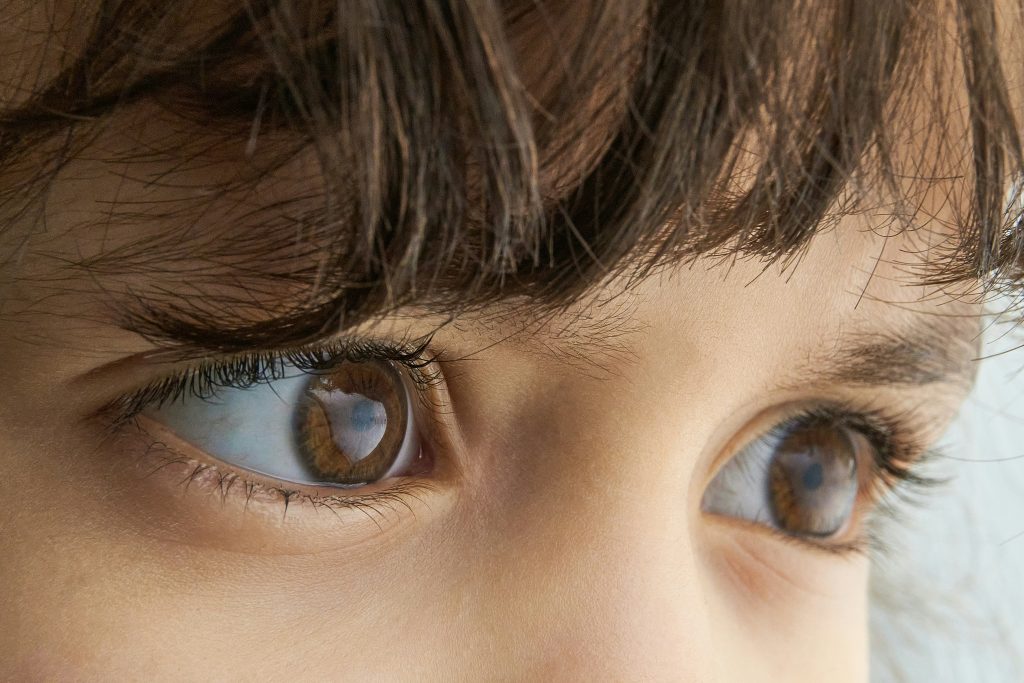
The most noticeable symptom of conjunctivitis in children is red or pink eyes, often accompanied by itching, burning, or a gritty sensation. Your child may also experience watery or thick yellow-green discharge that can cause the eyelids to stick together, especially after sleep. Some children may develop sensitivity to light or complain of blurred vision. These symptoms can affect one or both eyes and may be accompanied by cold-like symptoms if the infection is viral.
Common Causes of Conjunctivitis in Children
Conjunctivitis in children can be caused by viruses, bacteria, allergens, or irritants like smoke or chlorine. Viral and bacterial conjunctivitis are highly contagious and can spread easily through direct contact with infected secretions, contaminated hands, or shared items such as towels or toys. Allergic conjunctivitis, on the other hand, is triggered by allergens like pollen, dust, or pet dander and is not contagious. Understanding the cause is crucial for determining the right treatment for conjunctivitis in children.
Effective Treatment for Conjunctivitis in Children
Treatment depends on the cause. Viral conjunctivitis typically resolves on its own within a week, but cold compresses and artificial tears can help relieve discomfort. Bacterial conjunctivitis requires antibiotic eye drops or ointments prescribed by a doctor. For allergic conjunctivitis, antihistamines or allergy medications may be recommended. Regardless of the cause, practicing good hygiene—such as frequent handwashing and avoiding touching the eyes—is essential to prevent the infection from spreading.
Preventing Conjunctivitis in Children
Prevention is key to protecting your child from conjunctivitis. Encourage your child to wash their hands regularly, avoid sharing personal items like washcloths or pillows, and stay away from others who have symptoms of pink eye. If your child wears contact lenses, ensure they follow proper lens care guidelines. If symptoms persist or worsen, consult a pediatric eye specialist for a thorough evaluation and appropriate treatment for conjunctivitis in children.
Need Expert Eye Care?
If you are unsure whether your child’s symptoms require emergency attention, it is safer to call your healthcare provider or eye clinic for advice.
With Pakistan’s internationally trained and most experienced cataract surgeons, corneal transplant surgeons, and eye surgeons specializing in every single subspecialty in ophthalmology, The Eye Center – Dr. Mahnaz Naveed Shah & Associates in Karachi provides guidance for both routine and urgent eye care needs. Their team can advise whether you should schedule a screening or seek immediate attention, ensuring safety and comfort. For expert consultation, contact The Eye Center – Dr. Mahnaz Naveed Shah & Associates at 03041119544 to book an appointment.
With a proven track record of excellence in glaucoma and cataract care, Dr. Mahnaz Shah and her team are here to help you protect your child’s vision—with confidence.